Why Stone Fabricators Lose Money Without Realizing It
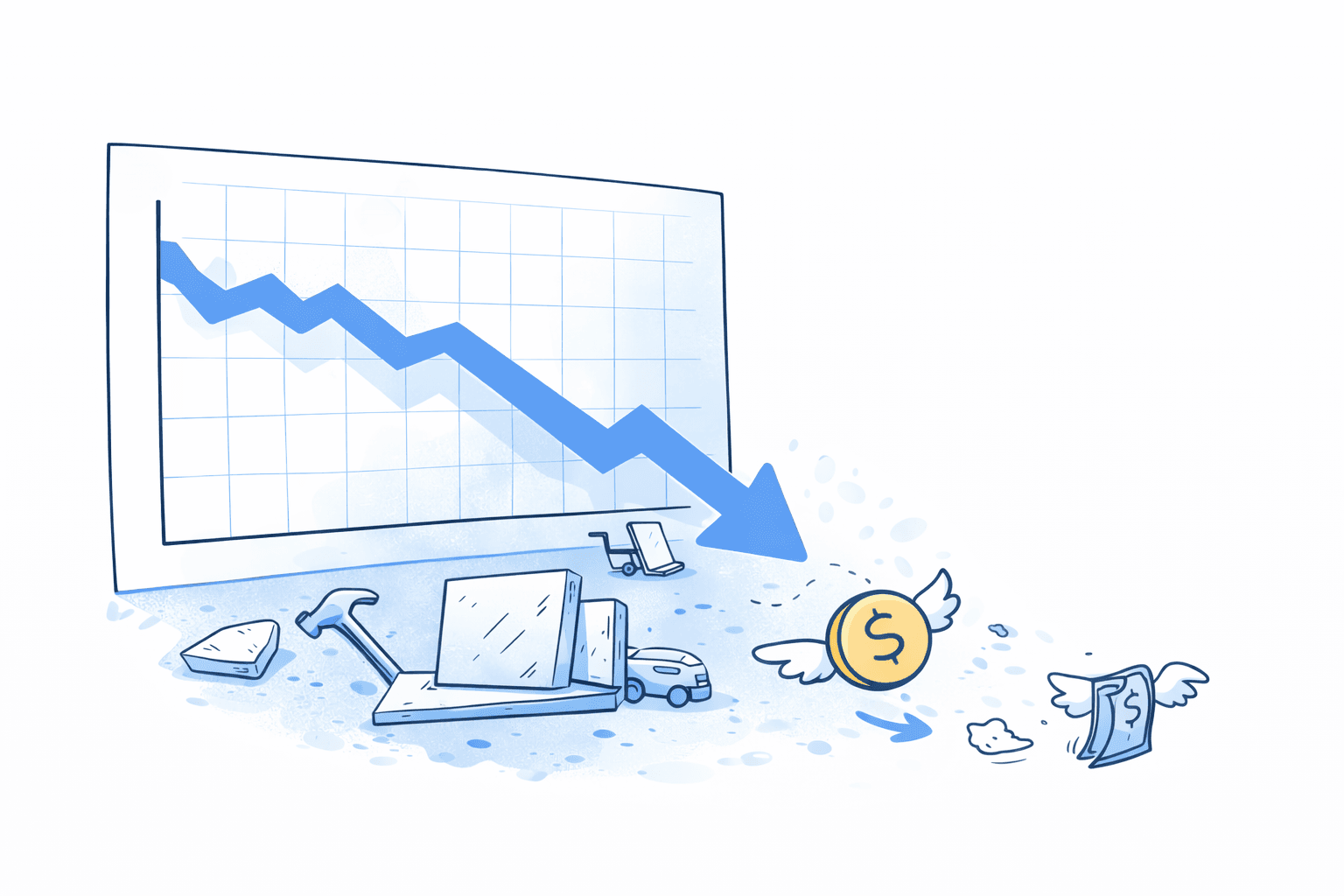
Stone fabrication is a profitable business on paper - but in reality, many shops struggle to protect margins as volume grows.
Most owners don’t lose money because of bad sales or poor craftsmanship. They lose money because small operational decisions change after work has already started. These changes rarely feel dramatic, but over time they quietly erode profit.
The most dangerous part?
These losses often feel normal.
Below are the most common and costly ways stone fabricators lose money without realizing it.
1. Job Changes After Decisions Should Be Final
One of the fastest ways profit disappears is allowing jobs to change too late in the process.
Common examples:
Material selections adjusted after slabs are allocated
Edge profiles changed after programming
Sink or service changes once fabrication is planned
Each individual change may seem manageable. The problem is timing.
When changes happen after planning or fabrication begins, they create:
Material waste
Rework
Schedule disruptions
Confusion across teams
Profitable shops understand a simple truth:
There must be a clear point where a job is considered final.
Once a job reaches that point, changes must be intentional, visible, and controlled - not casual.

2. Rework Caused by Uncontrolled Task Assignments
Rework is often blamed on mistakes. In reality, it’s frequently caused by who was assigned to the task.
In many shops:
Tasks are assigned randomly
Skill level is assumed rather than enforced
Specialized work gets treated like general labor
This leads to:
Tasks done incorrectly the first time
Senior employees redoing work
Machines tied up correcting avoidable errors
Well-run operations protect margins by matching tasks to the right skill level. Not everyone should be able to perform every task - especially on high-risk or high-value jobs.
This isn’t about limiting people.
It’s about protecting quality and consistency.
3. Changes to Tasks After Work Has Started
Another invisible margin killer is allowing tasks to be modified mid-process without accountability.
Examples include:
Changing who is assigned to a task after it has started
Moving task dates without understanding downstream impact
Adjusting priorities without re-planning capacity
These changes often happen with good intentions - but they create:
Partial work that must be redone
Lost context between teams
Scheduling chaos that leads to overtime
Shops that scale successfully enforce a simple rule:
Once a task starts, changes require visibility and permission.
This creates stability on the shop floor and prevents constant reset cycles that drain labor efficiency.
4. Material Waste Caused by Short-Term Cutting Decisions
Material waste doesn’t always come from bad layouts or poor craftsmanship.
More often, it comes from how far ahead the shop is planning.
Many shops cut slabs job by job, day by day:
A slab is cut for one job
Leftover material becomes a remnant
The remnant is moved to the yard
Another slab is cut the next day for a different job using the same material
This approach creates waste in multiple ways:
Lower overall material yield
Extra labor moving remnants in and out
Machines spending more time cutting instead of producing finished jobs
Increased handling damage risk
Why Look-Ahead Planning Changes Everything
More disciplined shops take a different approach:
They look ahead at upcoming jobs and group work by material type, thickness, and finish.
By nesting multiple jobs that use the same material:
Slabs are cut more efficiently
Fewer remnants are created
Remnants that are created are planned, not accidental
Labor is reduced by minimizing unnecessary handling
Instead of repeatedly cutting new slabs and dealing with leftovers later, material is optimized before cutting ever starts.
This type of forward-looking planning:
Reduces material waste
Lowers labor costs
Improves shop flow
Creates more predictable outcomes
For owners, the takeaway is simple:
Material yield improves significantly when planning looks days ahead—not hours ahead.
5. Failed Installation Trips That Multiply Costs
Failed installations are rarely caused by a single issue. They are usually the result of human error, missing information, or lack of preparation.
Common causes include:
Picking up the wrong material
Forgetting required supplies or accessories
Misunderstanding job scope or site conditions
Installation mistakes that fail quality standards
Each failed trip creates a ripple effect:
Installer labor is wasted
Trucks and fuel are consumed unnecessarily
Schedules must be reshuffled
Customer confidence takes a hit
Preparation Matters as Much as Skill
Installer skill is critical-but even skilled installers can fail when preparation is incomplete.
Many issues occur because:
Supplies are not clearly listed before departure
Job-specific accessories are overlooked
Installers rely on memory instead of checklists
Shops that reduce failed trips enforce pre-departure preparation, ensuring:
Correct materials are picked up
Required accessories and tools are confirmed
Job details are reviewed before arriving onsite
Quality Control at the Job Site
Another hidden cost occurs when installers leave a job site before quality issues are documented.
Without clear standards and verification:
Problems are discovered too late
Callbacks become unavoidable
Accountability is unclear
Stronger operations require:
Clear installation standards
Onsite quality verification
Visual documentation of completed work
When installation quality is checked and documented at the job site, issues are caught early-before they become expensive callbacks.

How Profitable Stone Shops Protect Their Margins
Shops that maintain strong margins don’t just fix problems—they make problems visible.
Instead of letting mistakes disappear into daily operations, they:
Clearly record what went wrong
Identify patterns in errors
Use real examples as training material
Adjust processes to prevent repeat issues
This creates a learning loop:
Mistakes are acknowledged, not hidden
Teams improve instead of repeating errors
Quality increases without adding pressure
Margins stabilize over time
The goal isn’t blame.
It’s continuous improvement based on real data.
Profitable shops understand:
You can’t fix what you don’t track—and you can’t train on what you don’t see.
Ready to Run a Smarter Stone Operation?
Book a demo to see how Stonify can reduce costs at your shop.
Ready to Run a Smarter Stone Operation?
Book a demo to see how Stonify can reduce costs at your shop.



Why Stone Fabricators Lose Money Without Realizing It
Stone fabrication is a profitable business on paper - but in reality, many shops struggle to protect margins as volume grows.
Most owners don’t lose money because of bad sales or poor craftsmanship. They lose money because small operational decisions change after work has already started. These changes rarely feel dramatic, but over time they quietly erode profit.
The most dangerous part?
These losses often feel normal.
Below are the most common and costly ways stone fabricators lose money without realizing it.
1. Job Changes After Decisions Should Be Final
One of the fastest ways profit disappears is allowing jobs to change too late in the process.
Common examples:
Material selections adjusted after slabs are allocated
Edge profiles changed after programming
Sink or service changes once fabrication is planned
Each individual change may seem manageable. The problem is timing.
When changes happen after planning or fabrication begins, they create:
Material waste
Rework
Schedule disruptions
Confusion across teams
Profitable shops understand a simple truth:
There must be a clear point where a job is considered final.
Once a job reaches that point, changes must be intentional, visible, and controlled - not casual.
2. Rework Caused by Uncontrolled Task Assignments
Rework is often blamed on mistakes. In reality, it’s frequently caused by who was assigned to the task.
In many shops:
Tasks are assigned randomly
Skill level is assumed rather than enforced
Specialized work gets treated like general labor
This leads to:
Tasks done incorrectly the first time
Senior employees redoing work
Machines tied up correcting avoidable errors
Well-run operations protect margins by matching tasks to the right skill level. Not everyone should be able to perform every task - especially on high-risk or high-value jobs.
This isn’t about limiting people.
It’s about protecting quality and consistency.
3. Changes to Tasks After Work Has Started
Another invisible margin killer is allowing tasks to be modified mid-process without accountability.
Examples include:
Changing who is assigned to a task after it has started
Moving task dates without understanding downstream impact
Adjusting priorities without re-planning capacity
These changes often happen with good intentions - but they create:
Partial work that must be redone
Lost context between teams
Scheduling chaos that leads to overtime
Shops that scale successfully enforce a simple rule:
Once a task starts, changes require visibility and permission.
This creates stability on the shop floor and prevents constant reset cycles that drain labor efficiency.
4. Material Waste Caused by Short-Term Cutting Decisions
Material waste doesn’t always come from bad layouts or poor craftsmanship.
More often, it comes from how far ahead the shop is planning.
Many shops cut slabs job by job, day by day:
A slab is cut for one job
Leftover material becomes a remnant
The remnant is moved to the yard
Another slab is cut the next day for a different job using the same material
This approach creates waste in multiple ways:
Lower overall material yield
Extra labor moving remnants in and out
Machines spending more time cutting instead of producing finished jobs
Increased handling damage risk
Why Look-Ahead Planning Changes Everything
More disciplined shops take a different approach:
They look ahead at upcoming jobs and group work by material type, thickness, and finish.
By nesting multiple jobs that use the same material:
Slabs are cut more efficiently
Fewer remnants are created
Remnants that are created are planned, not accidental
Labor is reduced by minimizing unnecessary handling
Instead of repeatedly cutting new slabs and dealing with leftovers later, material is optimized before cutting ever starts.
This type of forward-looking planning:
Reduces material waste
Lowers labor costs
Improves shop flow
Creates more predictable outcomes
For owners, the takeaway is simple:
Material yield improves significantly when planning looks days ahead—not hours ahead.
5. Failed Installation Trips That Multiply Costs
Failed installations are rarely caused by a single issue. They are usually the result of human error, missing information, or lack of preparation.
Common causes include:
Picking up the wrong material
Forgetting required supplies or accessories
Misunderstanding job scope or site conditions
Installation mistakes that fail quality standards
Each failed trip creates a ripple effect:
Installer labor is wasted
Trucks and fuel are consumed unnecessarily
Schedules must be reshuffled
Customer confidence takes a hit
Preparation Matters as Much as Skill
Installer skill is critical-but even skilled installers can fail when preparation is incomplete.
Many issues occur because:
Supplies are not clearly listed before departure
Job-specific accessories are overlooked
Installers rely on memory instead of checklists
Shops that reduce failed trips enforce pre-departure preparation, ensuring:
Correct materials are picked up
Required accessories and tools are confirmed
Job details are reviewed before arriving onsite
Quality Control at the Job Site
Another hidden cost occurs when installers leave a job site before quality issues are documented.
Without clear standards and verification:
Problems are discovered too late
Callbacks become unavoidable
Accountability is unclear
Stronger operations require:
Clear installation standards
Onsite quality verification
Visual documentation of completed work
When installation quality is checked and documented at the job site, issues are caught early-before they become expensive callbacks.
How Profitable Stone Shops Protect Their Margins
Shops that maintain strong margins don’t just fix problems—they make problems visible.
Instead of letting mistakes disappear into daily operations, they:
Clearly record what went wrong
Identify patterns in errors
Use real examples as training material
Adjust processes to prevent repeat issues
This creates a learning loop:
Mistakes are acknowledged, not hidden
Teams improve instead of repeating errors
Quality increases without adding pressure
Margins stabilize over time
The goal isn’t blame.
It’s continuous improvement based on real data.
Profitable shops understand:
You can’t fix what you don’t track—and you can’t train on what you don’t see.
Ready to Run a Smarter Stone Operation?
Book a demo to see how Stonify can reduce costs at your shop.